Play Your Way to Deeper Conversations

Step into a playful lab where gamified challenges help you practice communication and empathy with courage, curiosity, and consistency. Today we dive into gamified challenges to practice communication and empathy through bite-sized quests, generous feedback, and reflective scoring that reward listening, perspective‑taking, and clear expression. Expect stories, ready-to-run exercises, and thoughtful safeguards so every game becomes a bridge, not a barrier, to understanding. Try one, share your experience, and invite a friend.

Designing Play That Listens

Make Points Reflect Care

If points reward patience, summarizing accurately, and asking clarifying questions, players chase behaviors that actually help conversations flourish. Treat points like gentle spotlights that illuminate what matters. Combine accuracy bonuses with empathy multipliers, use streaks for consistent kindness, and introduce cooperative totals so teammates celebrate shared growth. The scoreboard becomes a mirror of values, not a contest that overshadows feelings or punishes quieter voices seeking thoughtful space.

Tight Feedback, Gentle Tone

If points reward patience, summarizing accurately, and asking clarifying questions, players chase behaviors that actually help conversations flourish. Treat points like gentle spotlights that illuminate what matters. Combine accuracy bonuses with empathy multipliers, use streaks for consistent kindness, and introduce cooperative totals so teammates celebrate shared growth. The scoreboard becomes a mirror of values, not a contest that overshadows feelings or punishes quieter voices seeking thoughtful space.

Psychological Safety First

If points reward patience, summarizing accurately, and asking clarifying questions, players chase behaviors that actually help conversations flourish. Treat points like gentle spotlights that illuminate what matters. Combine accuracy bonuses with empathy multipliers, use streaks for consistent kindness, and introduce cooperative totals so teammates celebrate shared growth. The scoreboard becomes a mirror of values, not a contest that overshadows feelings or punishes quieter voices seeking thoughtful space.

Quests for Everyday Conversations
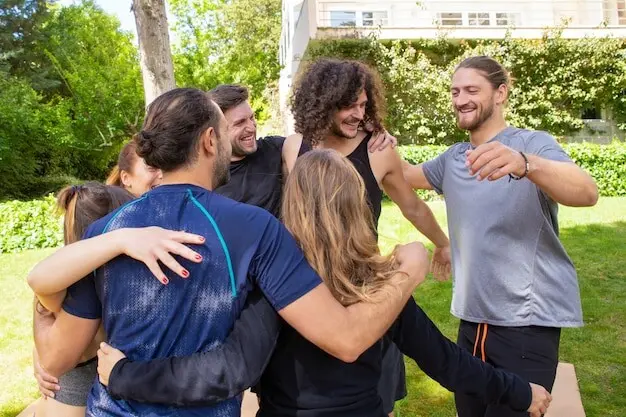
Replace awkward training with lively mini-missions anyone can run at lunch, stand-ups, or family gatherings. These quests reward attention, clarity, and perspective shifts while staying lightweight and fun. They work across roles and ages, scale from pairs to groups, and take minutes to start. Each includes a clear win condition and debrief prompts to translate insights into life. Keep score lightly, celebrate small wins loudly, and repeat until better habits feel natural.

Virtual Playgrounds for Distributed Teams

Remote groups thrive when play fits bandwidth, time zones, and attention rhythms. Design short rounds with clear prompts, asynchronous options, and built-in recap moments. Use low-friction tools people already know, automate reminders, and favor formats that survive flaky Wi‑Fi. Blend video, audio, and text to accommodate different comfort levels. Most importantly, close every session with reflection threads so learning persists. When distance dissolves, empathy becomes the bridge that keeps projects and people moving.

Scoring Without Losing Souls

Numbers can motivate, but they can also flatten feelings. Design scoring that uplifts care and learning rather than fueling rivalry. Replace winner-takes-all with progress markers, cooperative thresholds, and narrative achievements. Use rubrics that privilege clarity, listening, and perspective shifts. Share scores privately when stakes feel personal. Celebrate group milestones publicly. Most crucially, pair every number with a reflection question, so growth stays human, contextual, and anchored in stories that actually changed relationships.

Badges with Meaning, Not Hype

Craft badges that represent specific, observable behaviors like “summarized without interrupting” or “named a feeling before problem-solving.” Offer short narratives with each badge explaining why it matters. Stackable versions encourage returning to the habit over time. Public recognition should be opt-in and context aware. By making achievements legible and kind, people internalize what great communication looks like, and badges become gentle guideposts rather than empty confetti or pressure-laden performance signals.

Peer Feedback Circles

After each challenge, small groups rotate roles: speaker, listener, observer. Observers use a simple rubric to note strengths and possibilities, then share appreciations before suggestions. The circle ends with self-reflection and a concrete intention for next time. Points reward clarity and care in feedback, not cleverness. Over weeks, trust deepens, vocabulary expands, and advice grows precise. The format scales elegantly online or onsite, weaving continuous improvement into ordinary collaboration rhythms seamlessly.

Designing for Every Voice

Inclusive play honors different brains, bodies, languages, and comfort thresholds. Offer sensory-friendly options, alternative scoring, and multiple expression channels. Translate prompts where needed and invite local examples. Allow silent rounds and partner swaps to distribute energy fairly. Calibrate emotional intensity and provide content warnings when helpful. With these adjustments, more people feel invited to participate authentically, discovering that empathy grows strongest when the rules make room for diverse ways of noticing, processing, and sharing.

The Facilitator’s Playbook

A skillful guide keeps games honest, kind, and purposeful. Prepare by clarifying desired behaviors, setting norms, and rehearsing concise explanations. During play, watch energy, time, and tone more than scores. Afterward, debrief with questions that transform moments into meaning. Collect stories, not just metrics, and share distilled insights to shape future rounds. Remember: the facilitator is a gardener, tending conditions so empathy and communication grow resilient roots and keep bearing fruit beyond workshops.

From Pilot to Community Momentum

Sustainable practice spreads through stories, rituals, and shared ownership. Begin with a focused pilot, harvest bright spots, and scale carefully. Publish playbooks and open office hours. Rotate stewardship so many hands carry the work. Invite reader submissions, celebrate quirky local adaptations, and run seasonal series that keep curiosity alive. Encourage comments, newsletter sign-ups, and friendly challenges between teams. When people see progress together, play becomes culture, and culture becomes an everyday engine of empathy.

Start Small, Learn Fast

Choose one challenge, one team, and two measurable behaviors. Run three sessions across two weeks, then debrief loudly: what worked, what wobbled, what we’ll keep. Share a short case note and invite another team to remix. Small, visible wins create believable momentum. As confidence grows, layer in variety without losing the clarity that made the pilot sing. Iteration beats ambition when the goal is durable habits that outlast initial novelty and external reminders.

Stories that Travel

Collect brief narratives of moments when a game shifted a conversation: a tough retro softened, a family dinner eased, a negotiation found common ground. Publish these as snackable posts with practical takeaways. Spotlight many voices, not just leadership. Stories teach faster than slide decks, and they invite participation. Encourage readers to reply with their own examples, then weave highlights into future prompts. This reciprocity turns readers into co-authors of the evolving practice library.
Niloveltopalo
Privacy Overview

This website uses cookies so that we can provide you with the best user experience possible. Cookie information is stored in your browser and performs functions such as recognising you when you return to our website and helping our team to understand which sections of the website you find most interesting and useful.